
Leave Your Message
-
Contact Phone
-
 Contact Email
As healthcare needs continue to grow, having reliable personal protective equipment is more important than ever. You probably see Nitrile Exam Gloves everywhere in medical settings—they've basically become a must-have because they’re tough, comfortable, and dependable. Dr. Emily Carter, a well-known expert in medical supplies, points out that, "Choosing the right gloves can really make a difference when it comes to keeping patients safe and protecting healthcare workers."
These nitrile gloves are great because they act as a solid barrier against all sorts of substances. Plus, since they’re latex-free, they’re a perfect choice for folks with latex allergies. They’re pretty resistant to punctures and tears too, which adds that extra layer of security for the people working so hard behind the scenes. That said, some gloves might feel a bit less comfy just to be super durable, so finding that sweet spot between comfort and strength is definitely key.
Picking out the right pair of Nitrile Exam Gloves isn't something you want to rush. There's quite a bit of variation between brands and suppliers, so it’s worth taking the time to test a few options to see what fits best. And of course, making sure you’re getting from a reputable manufacturer is a smart move—it saves headaches down the road. As the industry keeps evolving, staying up-to-date with the latest in glove technology can really help ensure safety and peace of mind for everyone involved.

Nitrile Exam Gloves are essential in healthcare settings. Made from synthetic rubber, they provide excellent resistance to chemicals. Their effectiveness has made them a preferred choice over latex gloves, especially for those with allergies. According to recent market reports, the global demand for Nitrile Exam Gloves has surged, with an estimated growth rate of 8.5% annually.
These gloves play a critical role in protecting healthcare workers and patients. They act as a barrier against pathogens, reducing the risk of infection. A study mentioned in the Journal of Hospital Infection found that using Nitrile Exam Gloves can lower the transmission of healthcare-associated infections significantly. This highlights their importance in clinical practice.
Tips: Always check the glove's integrity before use. Small tears can compromise safety. Store gloves away from heat and sunlight for longevity. Regularly review glove usage practices in your facility to ensure compliance with safety standards and protocols. Proper donning and doffing procedures are crucial for safety, as improper technique can lead to contamination.
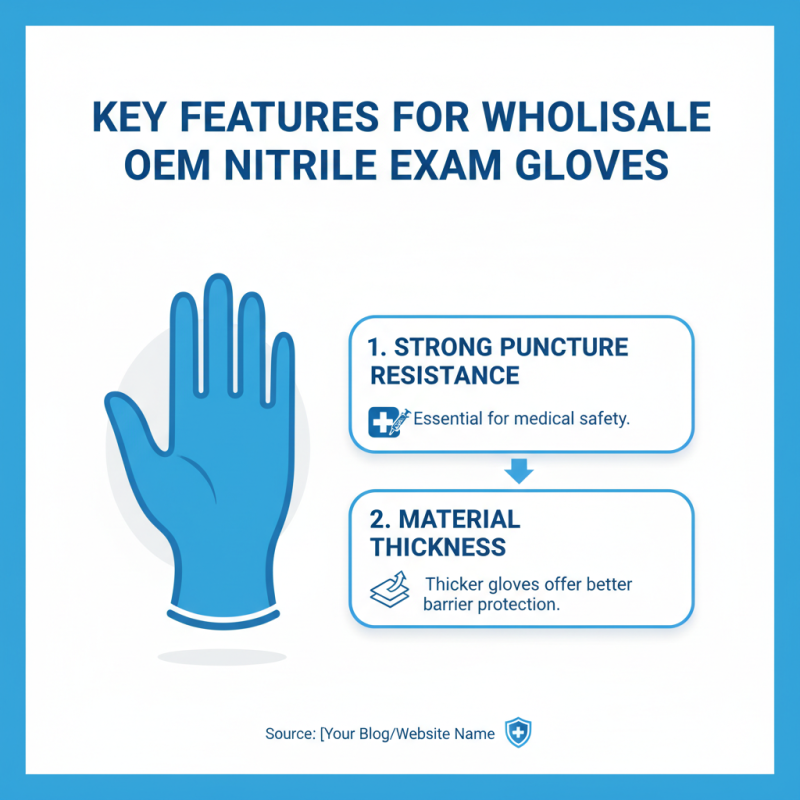
When selecting wholesale OEM nitrile exam gloves, it’s vital to consider several key features. First, look for gloves that offer strong puncture resistance. This is essential for medical environments where safety is a priority. The thickness of the material plays a crucial role in this. Thicker gloves provide better barrier protection.
Comfort is another essential factor. A well-fitting glove ensures dexterity and reduces hand fatigue during long procedures. Consider options that are both powder-free and latex-free to cater to individuals with allergies. Some gloves come with textured surfaces for better grip, especially useful when handling small instruments.
Additionally, check for certifications that indicate the gloves meet safety standards. This adds an extra layer of reliability. While price may be a concern, investing in quality gloves is not something to overlook. Poorly made gloves can compromise safety and effectiveness. Balancing cost with quality often leads to better outcomes in medical practices.
Nitrile gloves are a popular choice in medical settings for several reasons. They are made from synthetic rubber, which offers superior durability. Unlike latex gloves, nitrile gloves are latex-free, minimizing the risk of allergic reactions. This characteristic makes them suitable for a wide range of patients, including those with latex allergies.
One significant advantage of nitrile gloves is their resistance to punctures and chemicals. They provide a strong barrier against bodily fluids and various substances. This quality is vital for healthcare workers who deal with hazardous materials daily. Additionally, nitrile gloves maintain their fit and flexibility, which means they can be worn for extended periods without discomfort.
Tips: When selecting nitrile gloves, consider the thickness and texture. Thicker gloves offer more protection, while textured surfaces enhance grip. Regularly check for any signs of wear, such as discoloration or tears. These details can impact safety and effectiveness in medical procedures. Always prioritize quality over cost to ensure reliable performance.
| Specification | Nitrile Gloves | Latex Gloves | Vinyl Gloves |
|---|---|---|---|
| Material | Nitrile | Natural Rubber Latex | Polyvinyl Chloride (PVC) |
| Durability | High | Medium | Low |
| Allergy Risk | Low | High | None |
| Chemical Resistance | Excellent | Limited | Poor |
| Comfort & Fit | Good | Excellent | Fair |
| Cost | Moderate | Low | Very Low |
When selecting wholesale OEM nitrile exam gloves for medical applications, it's crucial to evaluate suppliers carefully. Industry reports indicate that the global nitrile gloves market is projected to reach $8.67 billion by 2026, reflecting their vital role in the healthcare sector. These gloves are favored for their puncture resistance and barrier protection. Examining various suppliers allows buyers to identify those who prioritize quality and compliance with medical standards.
Consider the manufacturing processes used by suppliers. Transparency in sourcing materials is essential. According to the FDA, nitrile gloves must pass rigorous tests for chemical resistance and quality assurance. A recent comparison revealed that some manufacturers lacked certifications, raising concerns about their commitment to safety.
Tips: Always verify suppliers' certifications. Inspect product samples where possible. Prioritize those that provide clear material data safety sheets. Understanding glove thickness and texture can also help in selecting the right product for specific procedures. Ultimately, it's about matching the right glove with your operational needs.
Nitrile exam gloves are essential in medical settings. The quality of these gloves is paramount for safety. They must adhere to strict standards. Look for gloves certified by recognized organizations. These certifications ensure they meet specific performance criteria.
Many nitrile gloves undergo rigorous testing. This includes durability, puncture resistance, and allergen-free properties. Well-made gloves provide a secure fit and excellent tactile sensitivity. Inspect the packaging for certification marks. This shows they comply with industry standards.
However, not all gloves are created equal. Some may fail to meet the expected specifications. Regular reviews of supplier offerings are crucial. Seek feedback from medical professionals who use these gloves. Their insights can highlight potential issues. Making informed choices is vital for patient safety.
When considering the purchase of nitrile exam gloves in bulk, cost factors play a vital role. The quality of the gloves directly impacts the price. Higher quality gloves, which offer better durability and protection, may cost more. However, they also reduce the risk of breakage during use. Examining the balance between cost and quality is crucial.
Another factor to assess is supplier reputation. Reliable suppliers often implement rigorous quality checks. This ensures that the gloves meet safety standards. Sometimes, cheaper options may seem appealing, but those savings can come at a cost. You'll want to avoid sourcing from less-established brands without adequate certification.
Additionally, bulk order quantities can influence pricing. Many suppliers offer discounts for larger purchases. However, storing excess inventory may lead to waste if gloves have a short shelf life. It’s important to estimate your actual needs accurately. Careful planning can minimize unnecessary costs while ensuring that you have a dependable supply of Glove Exam Nitrile for critical medical tasks.
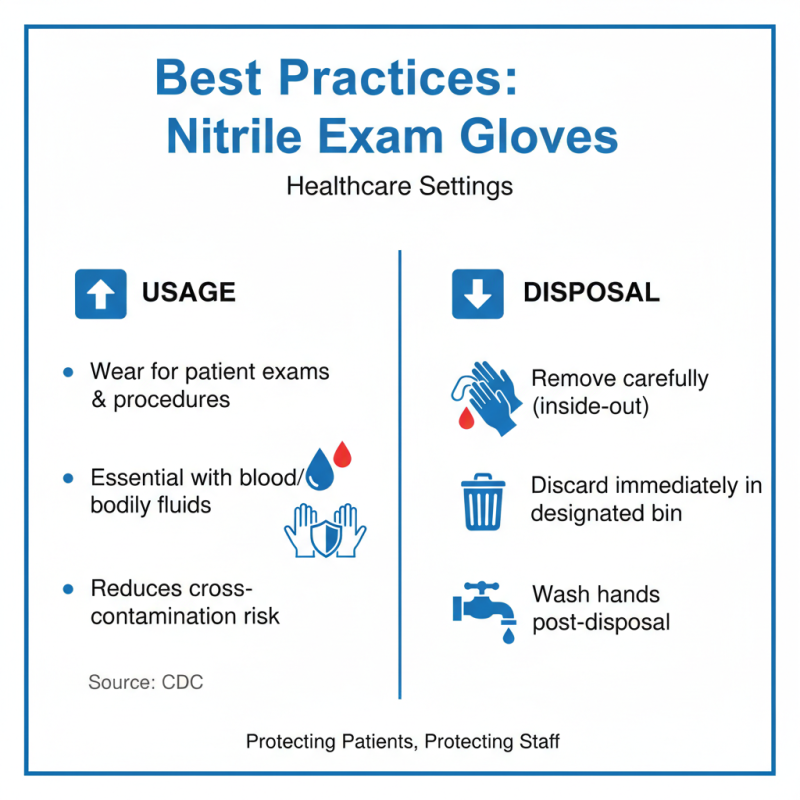
In healthcare settings, the importance of using nitrile exam gloves cannot be overstated. According to the Centers for Disease Control and Prevention (CDC), proper glove usage significantly reduces the risk of cross-contamination. Healthcare workers should ensure that gloves are worn during patient examinations and procedures, especially when there is a potential for exposure to blood or bodily fluids.
Proper disposal of nitrile exam gloves is also crucial. The World Health Organization (WHO) advises that used gloves should be discarded in designated biohazard containers. Improper disposal can lead to environmental contamination and health risks. An alarming report indicated that nearly 30% of healthcare facilities do not have adequate waste management practices in place. This gap highlights a need for improvement in guidelines and training regarding the safe disposal of nitrile exam gloves.
Additionally, it's important to frequently assess glove integrity before use. A study showed that 25% of gloves can develop micro-tears, compromising protection. Regular training sessions can help staff recognize the signs of glove damage. Having an “Exam Gloves Box” conveniently located can encourage compliance in changing gloves as needed. This small change can significantly enhance safety standards in healthcare environments.
When it comes to household cleaning, the importance of using the right gloves cannot be overstated. Disposable nitrile gloves stand out as an excellent choice for various tasks, owing to their remarkable resistance to chemical corrosion. Unlike other materials, nitrile provides a robust barrier against cleaning agents and disinfectants, ensuring that your hands remain protected while tackling tough jobs. This is particularly crucial when dealing with potent household cleaners that can be harsh on the skin.
In addition to their protective qualities, nitrile gloves offer high elasticity, which translates to flexibility and durability during use. This makes them particularly suitable for high-frequency tasks, such as kitchen cleaning and bathroom sanitation. Whether you’re scrubbing surfaces or handling delicate items, these gloves maintain their integrity, allowing for optimal grip without compromising comfort. Their ability to fit snugly yet comfortably also minimizes the risk of accidents, making them an essential tool for efficient household maintenance. By choosing disposable nitrile gloves, you equip yourself with a reliable protective gear that enhances safety and efficiency in your cleaning routines.
: They are made from synthetic rubber.
They are safer for people with latex allergies.
They act as a barrier against pathogens, lowering infection risks.
Always check for small tears to ensure integrity.
Higher quality gloves reduce the risk of breakage and provide better protection.
Reliable suppliers ensure gloves meet safety standards through rigorous quality checks.
They can be less durable, risking safety and increasing long-term costs.
Suppliers often offer discounts, but excess inventory can lead to waste.
Store them away from heat and sunlight to maintain longevity.
It minimizes unnecessary costs and ensures an adequate supply for medical tasks.
Nitrile Exam Gloves are crucial in healthcare due to their superior durability and resistance to punctures and chemicals, making them essential for maintaining safety and hygiene in medical settings. When selecting wholesale OEM Nitrile Exam Gloves, it's important to consider key features such as thickness, fit, and tactile sensitivity, which impact their performance. Compared to latex or vinyl, nitrile gloves offer enhanced protection and comfort, catering to the diverse needs of healthcare professionals.
Additionally, understanding the cost factors associated with bulk purchasing and ensuring compliance with quality standards and certifications are essential for making informed decisions. Best practices for using and disposing of Nitrile Exam Gloves further contribute to overall health safety, emphasizing their vital role in the medical field. A comparative overview of top suppliers can aid in sourcing the best options available to meet specific medical requirements efficiently.