
Leave Your Message
-
Contact Phone
-
 Contact Email
Ethiopia, located in the strategically vital Horn of Africa, is rapidly emerging as an industrial hub. Over the past decade, the country has heavily invested in industrial parks, such as the Hawassa Industrial Park and Bole Lemi, aiming to transform its agrarian economy into a manufacturing powerhouse. Within this transformative landscape, the demand for Personal Protective Equipment (PPE), particularly thick nitrile gloves, has skyrocketed. This surge is driven by heightened occupational safety standards, foreign direct investment (FDI) in manufacturing, and the aggressive expansion of the Ethiopian healthcare sector.
Historically reliant on imports for medical and industrial consumables, Ethiopia is now witnessing a paradigm shift. The government's structural reforms and incentives for local manufacturing have paved the way for international manufacturers and local factories to establish robust supply chains. Thick nitrile gloves, known for their superior puncture resistance and chemical barrier properties, have become an indispensable commodity. From the bustling factories in Addis Ababa to the expansive agricultural processing zones in Oromia, the need for reliable hand protection is omnipresent. The integration of advanced manufacturing technologies and automated production lines is further elevating the quality and accessibility of these critical safety products within the Ethiopian market.
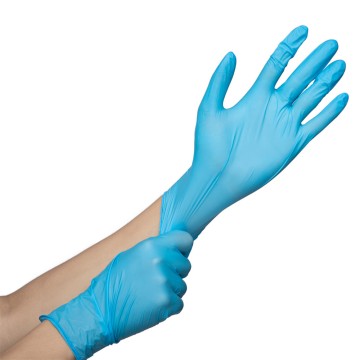
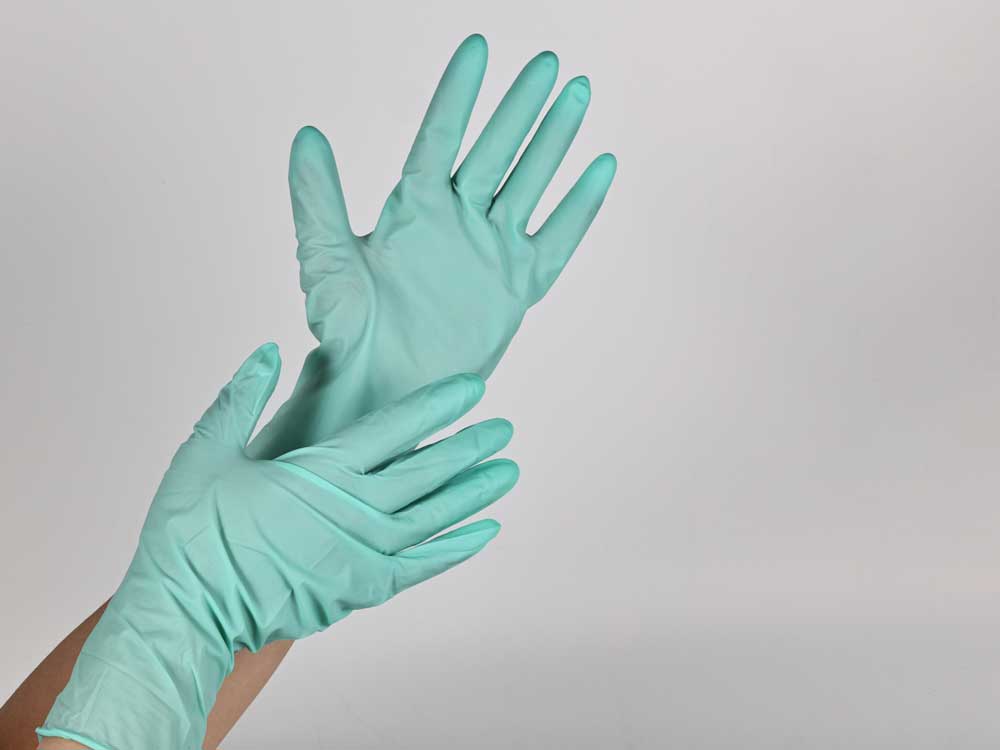
In the diverse industrial ecosystem of Ethiopia, standard latex or vinyl gloves often fall short of providing adequate protection. Thick nitrile gloves are engineered from synthetic rubber, offering a formidable defense against a wide array of hazards. Firstly, they are 100% latex-free, eliminating the risk of Type I allergic reactions among workers—a crucial factor in mass-employment sectors like garment manufacturing and healthcare.
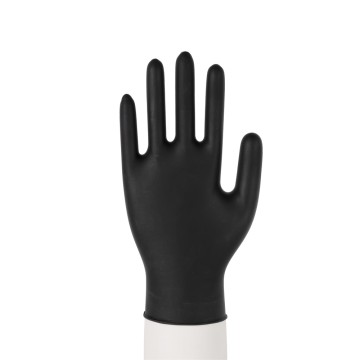
Furthermore, the "thick" variant of these gloves provides exceptional durability. In Ethiopian heavy industries, such as mining and construction, workers are frequently exposed to abrasive surfaces and harsh chemicals. Thick nitrile offers unmatched tensile strength and chemical resistance, particularly against oils, fuels, and industrial solvents. In the rapidly modernizing agricultural sector, where workers handle fertilizers and pesticides, these gloves act as a vital barrier, safeguarding public health and ensuring compliance with international export standards. The technological advancement in nitrile formulation means that despite their thickness, these gloves maintain excellent tactile sensitivity, allowing for precision work in electronics assembly and medical procedures alike.
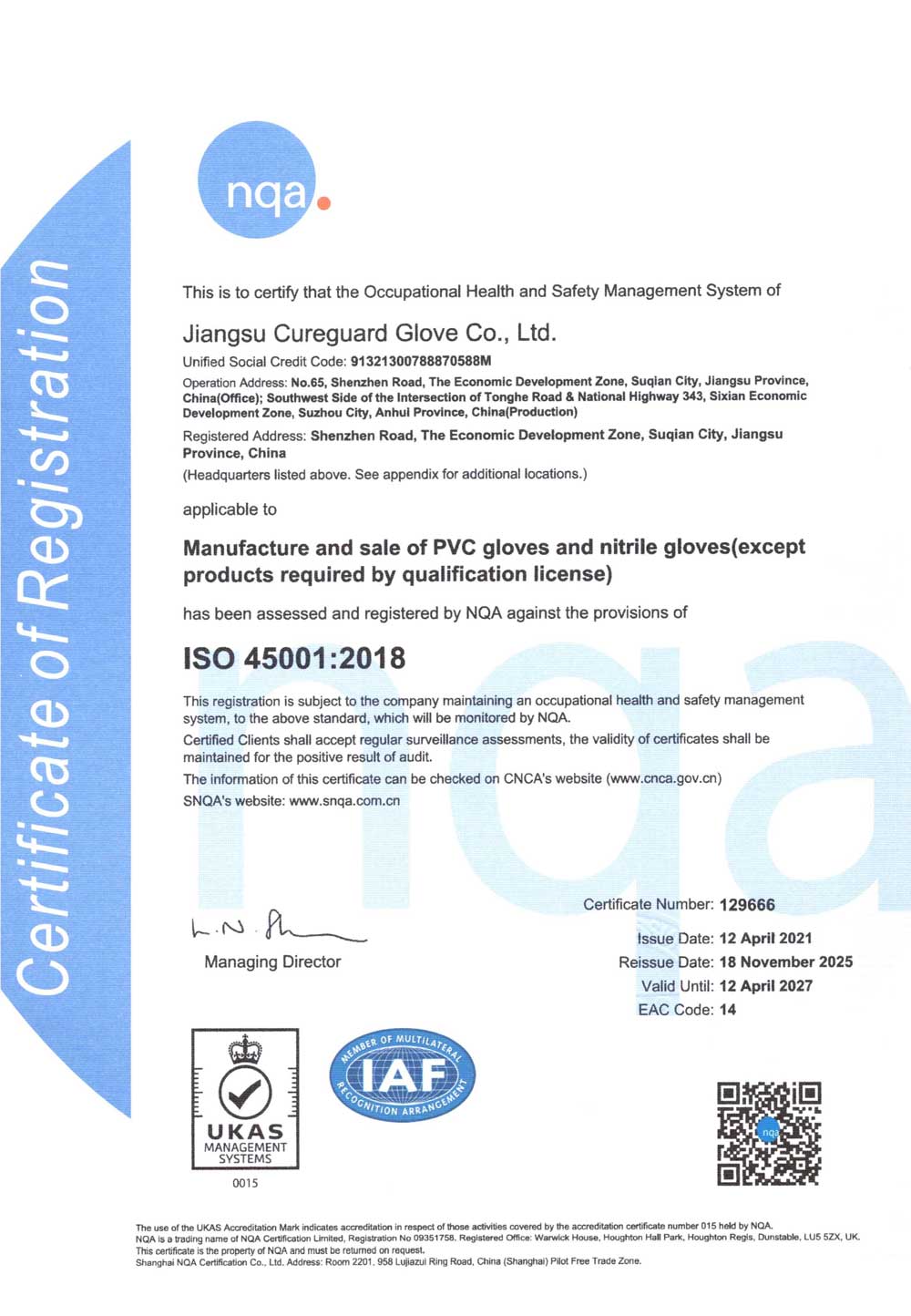
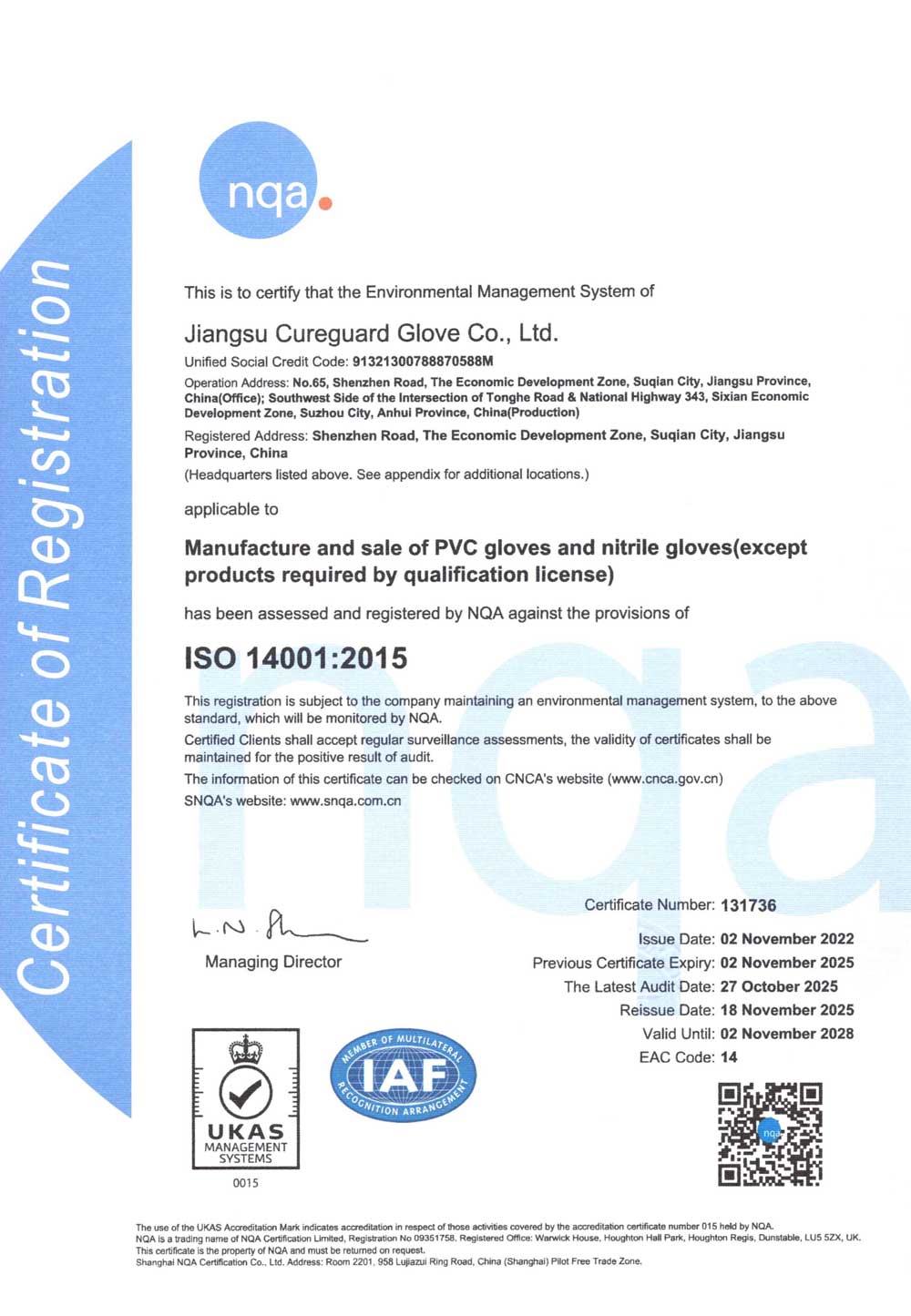
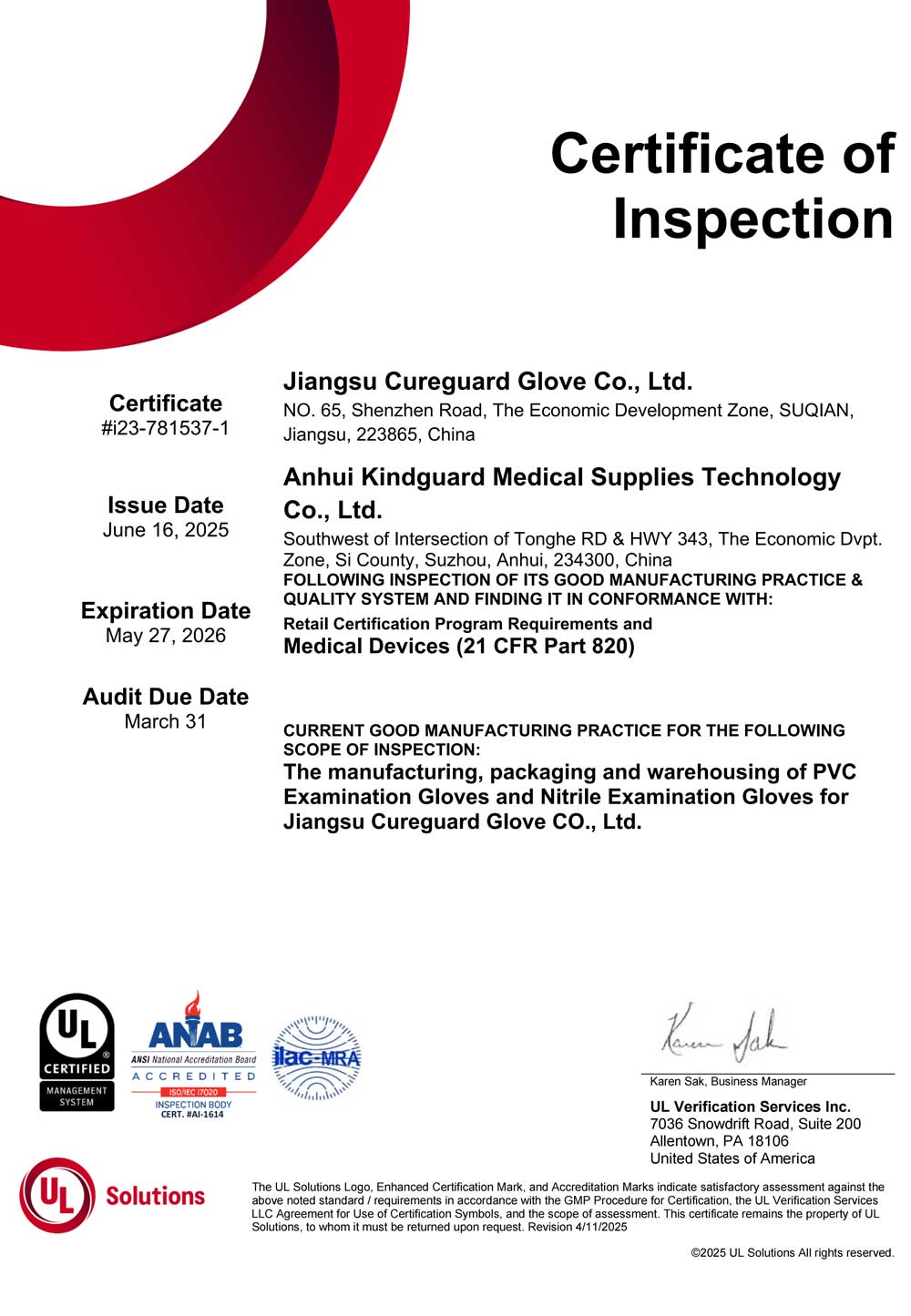
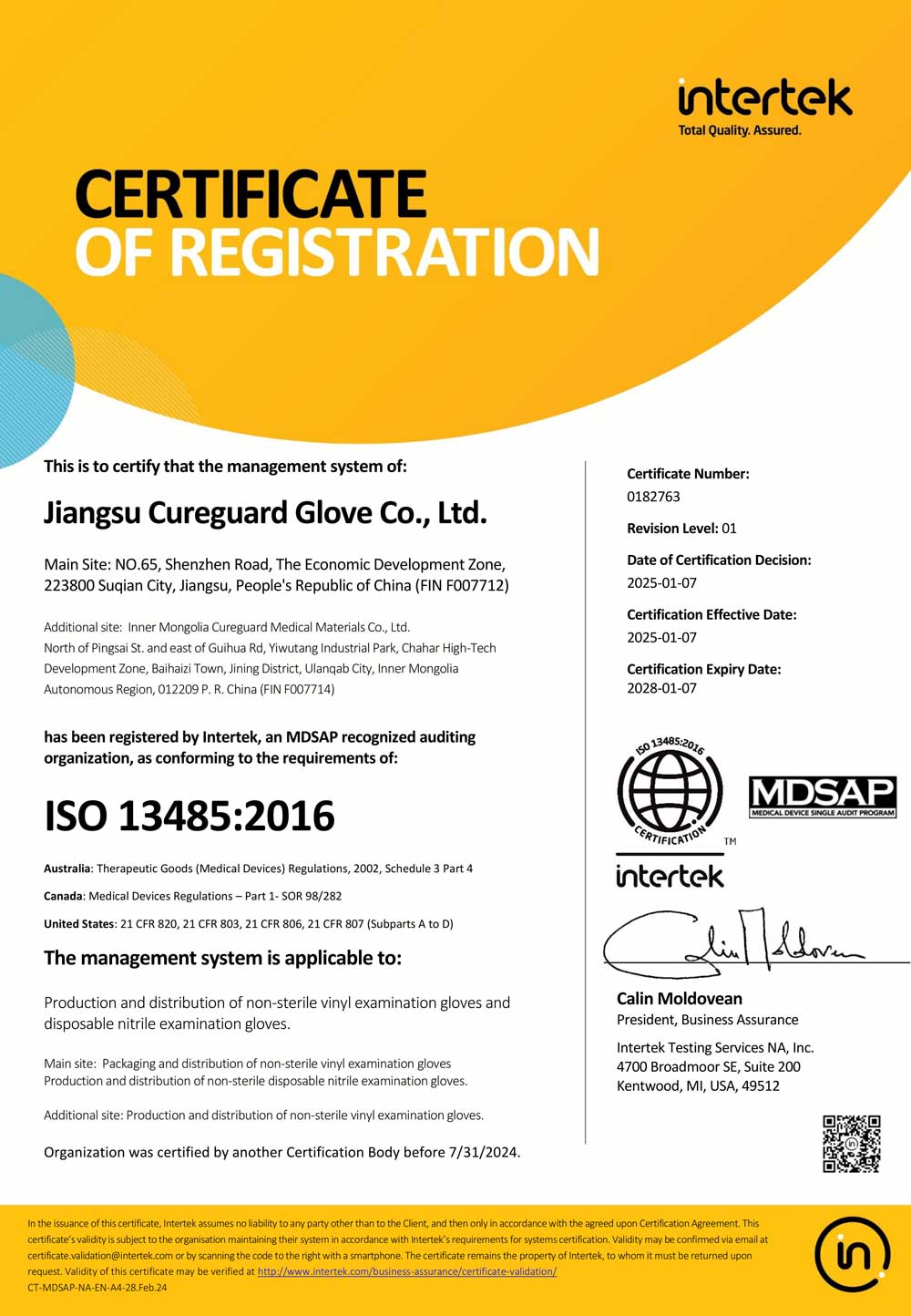
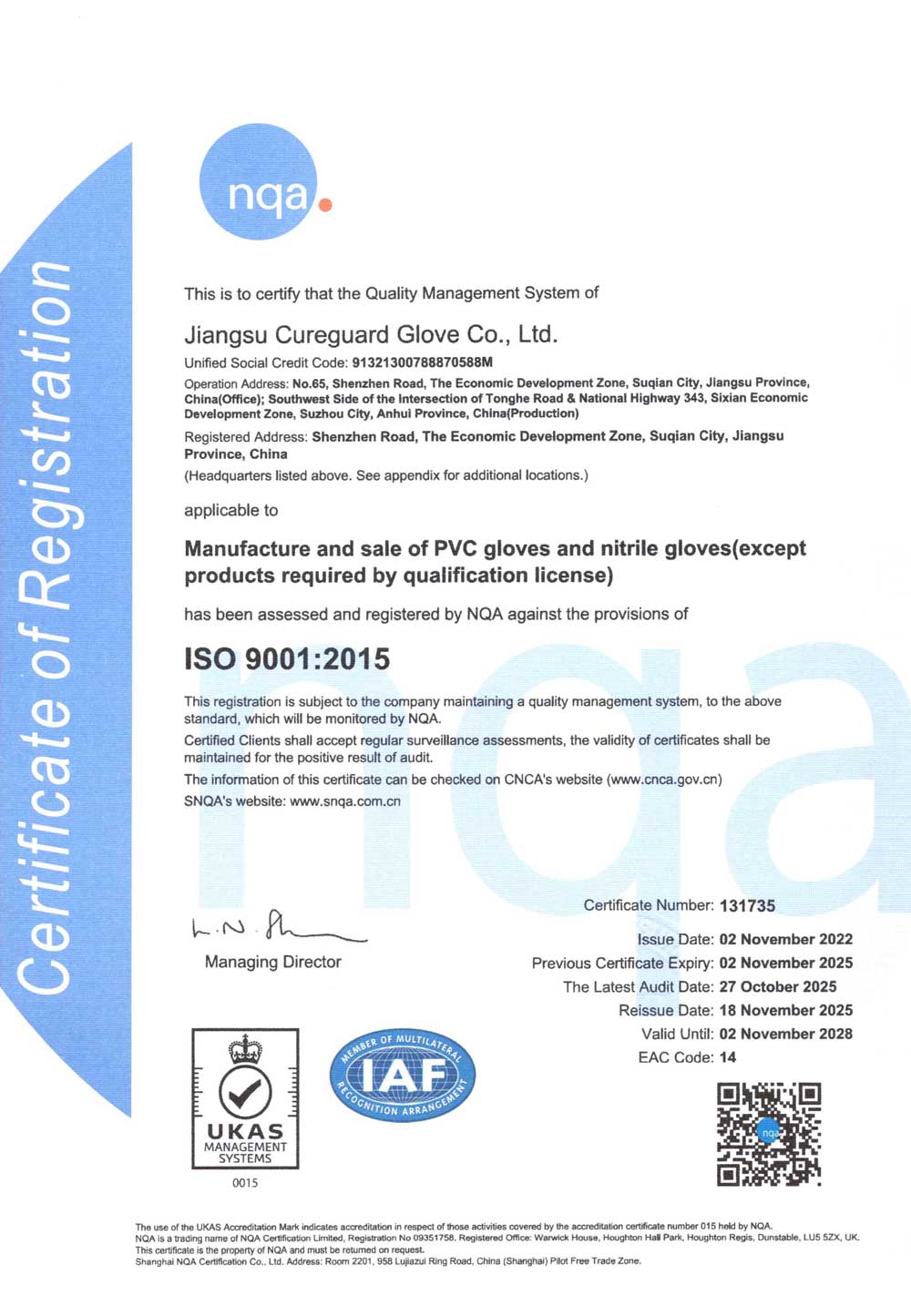
Established in 2006 and headquartered in Jiangsu Province, China, Cureguard Glove Group is specialized in glove manufacturing for over 20 years. As a leading global supplier, we are dedicated to providing top-tier protective solutions to rapidly growing markets, including the industrial and medical sectors in Ethiopia.
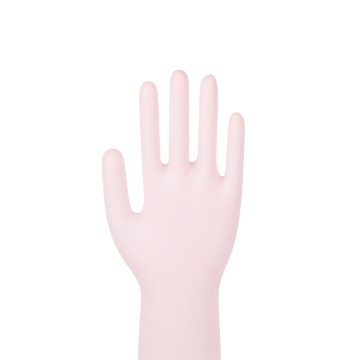
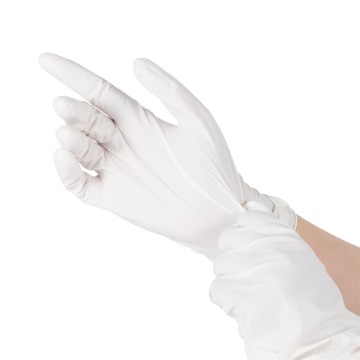
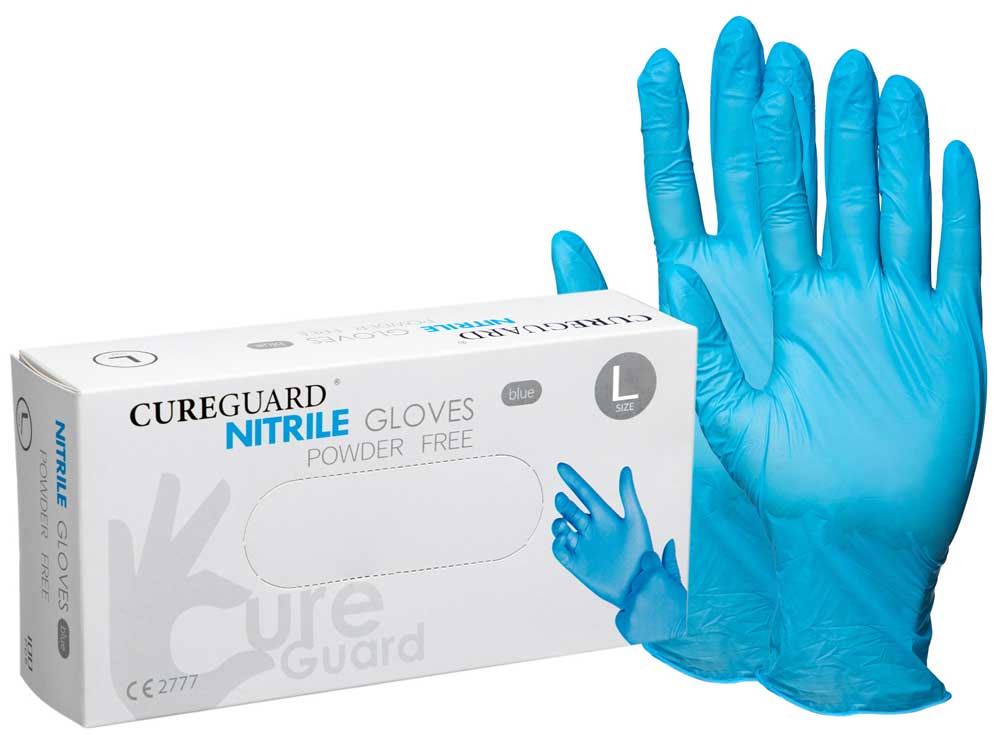
We own over 60 production lines dedicated to disposable vinyl and nitrile gloves, and reusable vinyl gloves with an annual output exceeding 10 billion pieces. We supply various kinds of gloves to customers in more than 100 countries and regions worldwide. We roll out different series of products to address various routine scenario needs, such as medical examination, food contact, electronic industry, and household use.
Click View More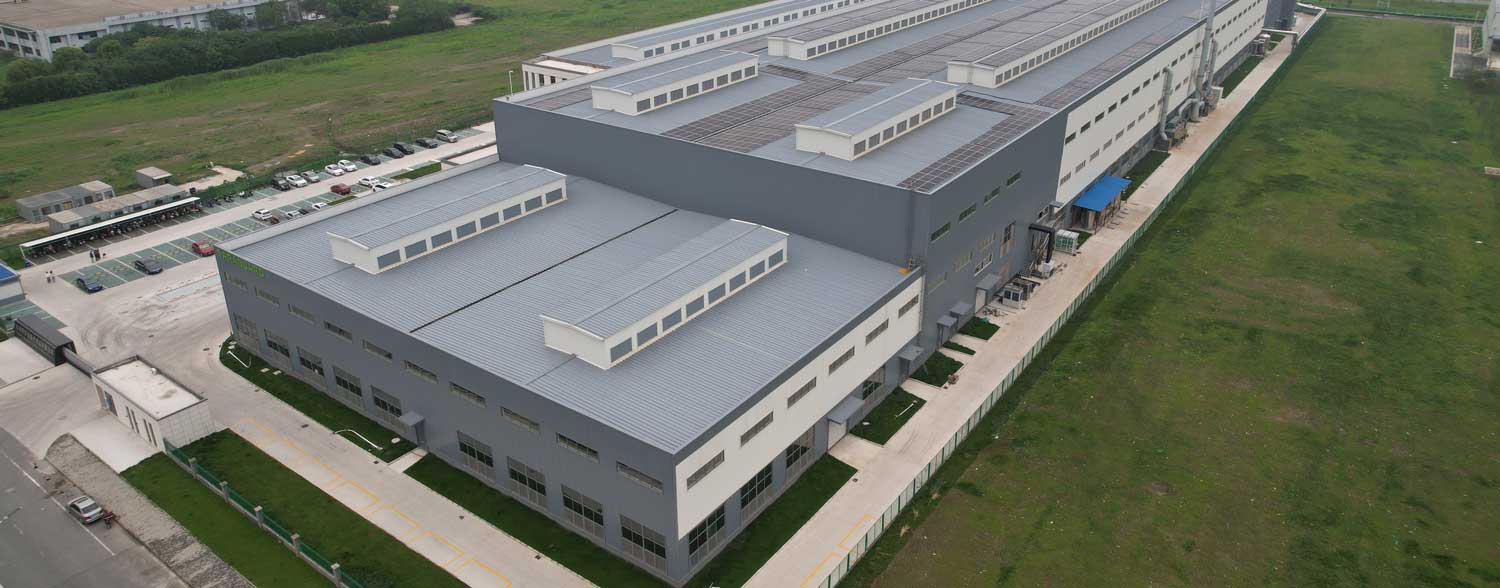
The versatility of thick nitrile gloves makes them highly applicable across Ethiopia's diverse economic sectors. In the Healthcare and Medical Sector, hospitals in major cities like Addis Ababa and Dire Dawa, as well as rural health clinics, rely on these gloves to prevent cross-contamination and protect frontline workers from infectious diseases. The robust nature of the thick nitrile ensures safety during rigorous medical examinations and surgical procedures.
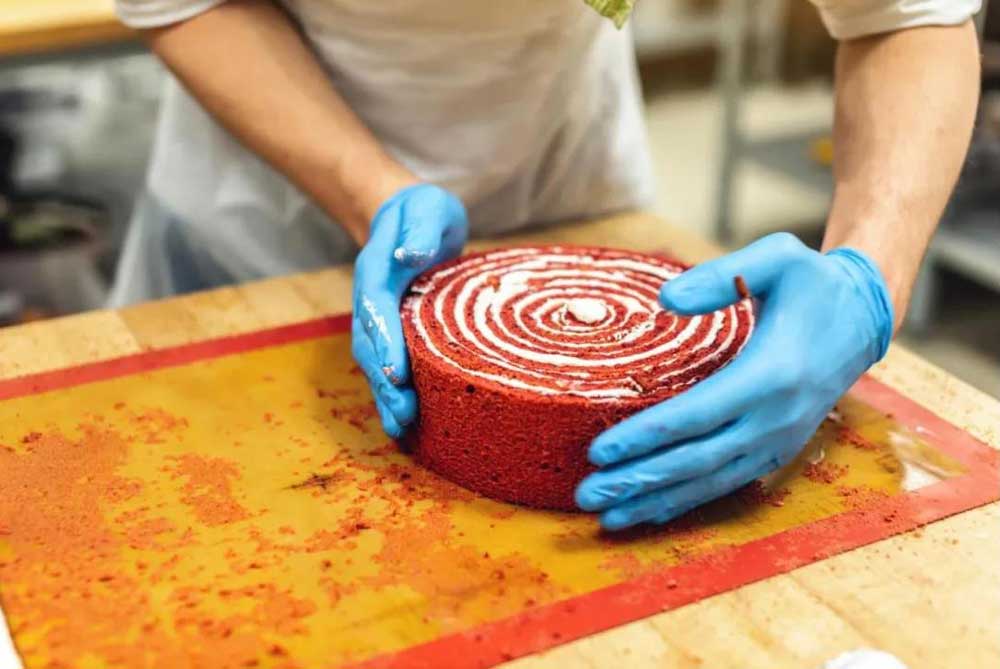
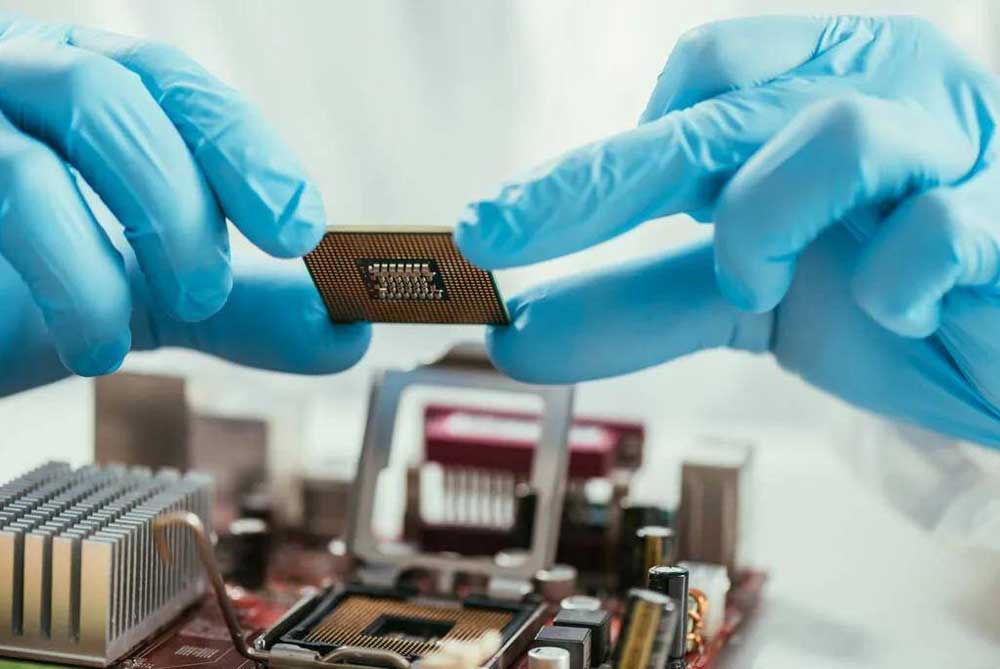
In the Agri-Food Processing Industry, Ethiopia's famous coffee export market and burgeoning meat processing plants require strict hygiene protocols. Thick nitrile gloves prevent human-to-food contamination while protecting workers' hands from prolonged exposure to moisture and organic acids. Similarly, in the Manufacturing and Electronics hubs within Ethiopian industrial parks, these gloves prevent static discharge and protect delicate components from skin oils, while offering the durability needed for assembly line work. Finally, for Household and Sanitation use, they provide everyday Ethiopians with commercial-grade protection for cleaning and handling harsh household chemicals.


The global glove manufacturing industry is undergoing a technological renaissance, and its impacts are reverberating through supply chains reaching Ethiopia. Artificial Intelligence (AI) and machine learning are now being integrated into factory production lines to monitor dipping processes, regulate temperatures, and perform automated optical inspections. This AI-driven quality control ensures that every thick nitrile glove shipped to the Ethiopian market meets flawless structural integrity, minimizing the defect rate to near zero.
Looking forward, the trend is shifting towards sustainable manufacturing and localized supply networks. As Ethiopia continues to implement its Homegrown Economic Reform Agenda, there is immense potential for international glove manufacturers to partner with local distributors or establish localized production facilities. This not only reduces import tariffs and lead times but also creates jobs and facilitates technology transfer. The convergence of AI-optimized production and Ethiopia's strategic industrial policies is set to create a highly efficient, self-sustaining PPE ecosystem in the region.