
Leave Your Message
-
Contact Phone
-
 Contact Email
In the high-stakes environment of emergency first aid and disaster response, every second counts. The period immediately following a traumatic injury—often referred to as the "Golden Hour"—dictates the survival and recovery trajectory of the patient. During these critical moments, first responders, paramedics, and emergency medical technicians (EMTs) face unpredictable, chaotic, and hazardous environments. The Nitrile Rubber Glove For Emergency First Aid And Response serves as the absolute first line of defense, not just for the patient, but crucially for the healthcare provider. Unlike controlled clinical settings, emergency scenes are fraught with unknown variables: shattered glass, twisted metal, bodily fluids, bloodborne pathogens, and increasingly, hazardous synthetic chemicals.
Historically, latex gloves were the standard in medical care. However, the paradigm has shifted dramatically towards nitrile rubber (NBR - Nitrile Butadiene Rubber). This transition is driven by two primary factors: the rising prevalence of latex allergies, which can trigger life-threatening anaphylaxis in both patients and providers, and the superior chemical resistance and puncture durability that nitrile provides. When an EMT is extracting a victim from a motor vehicle collision, the tactile sensitivity combined with the robust tensile strength of a premium nitrile glove ensures that intricate procedures—such as establishing an intravenous (IV) line or performing needle decompression—can be executed flawlessly without compromising the barrier integrity.
The commercial landscape for medical-grade nitrile gloves has undergone a seismic transformation over the past decade, heavily accelerated by global health crises and the escalating requirements of emergency response agencies. Prior to recent global events, the supply chain was heavily centralized in Southeast Asia. Today, we are witnessing a strategic decentralization. Governments and international healthcare conglomerates are investing heavily in localized manufacturing hubs to ensure supply chain resilience. The global nitrile gloves market size is projected to experience a robust Compound Annual Growth Rate (CAGR), driven non-stop by stringent safety regulations across the healthcare, tactical, and industrial sectors.
From an industrial perspective, the manufacturing of a Nitrile Rubber Glove For Emergency First Aid And Response involves complex polymerization processes. The raw materials—butadiene (which provides flexibility and tear resistance) and acrylonitrile (which imparts chemical resistance)—must be formulated to exact specifications. Today's commercial buyers—ranging from national defense departments to regional EMS (Emergency Medical Services) networks—demand rigorous certifications. Products must consistently meet or exceed standards such as ASTM D6319 in the United States and EN 455 in Europe. Furthermore, the commercial procurement trend is shifting from mere cost-efficiency to value-based purchasing, where the focus is on Acceptable Quality Level (AQL) scores. An AQL of 1.5 or lower is now the strict baseline for emergency medical applications, ensuring that the occurrence of pinhole defects is statistically negligible.
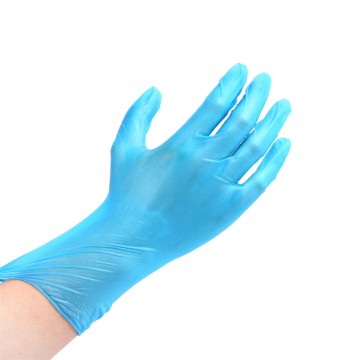
In Mass Casualty Incidents (MCIs), triage is rapid and relentless. Responders require gloves that don't tear when hastily donned over sweaty hands. High-visibility nitrile gloves (often bright orange or blue) allow incident commanders to quickly verify that personnel are utilizing proper PPE protocols amidst the chaos.
The opioid epidemic has introduced a lethal new threat: synthetic fentanyl. Even microscopic dermal exposure can be fatal to a responder. Specialized emergency nitrile gloves are now rigorously tested for fentanyl permeation, providing a vital impermeable barrier during overdose interventions.
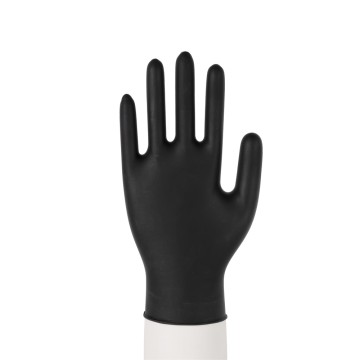
Tactical Emergency Casualty Care involves law enforcement and military medics operating in active threat zones. Black or dark-colored nitrile gloves are preferred here to maintain light discipline (stealth) while still providing the necessary barrier against blood and bodily fluids during combat triage.
Beyond the standard ambulance ride, the Nitrile Rubber Glove For Emergency First Aid And Response is deeply integrated into highly specialized rescue operations. Consider Urban Search and Rescue (USAR) teams operating in earthquake-collapsed structures. These professionals often employ a "double-gloving" technique. They wear a heavy-duty extrication glove for structural debris handling, with a high-dexterity medical nitrile glove underneath. Once the patient is reached and the heavy debris is cleared, the outer glove is shed, instantly providing a sterile, precise hand surface ready to pack wounds or apply combat tourniquets.
In the realm of chemical spills and industrial accidents, first responders are often the first to encounter unknown biological or chemical agents. Nitrile's inherent resistance to non-polar solvents, oils, and greases makes it vastly superior to natural rubber latex. When a patient is covered in industrial lubricants or corrosive substances from a vehicular accident, the EMT's gloves must not degrade. The cross-linked polymer structure of advanced nitrile ensures that the glove maintains its structural integrity, preventing the hazardous materials from reaching the responder's skin, while simultaneously preventing the responder's micro-flora from contaminating the patient's open wounds.
The evolution of the Nitrile Rubber Glove For Emergency First Aid And Response is far from stagnant. As we look toward the future, the intersection of materials science, artificial intelligence, and environmental sustainability is reshaping how these critical tools are manufactured and utilized. One of the most significant trends is the integration of AI-driven optical sorting and defect detection in the manufacturing line. High-speed cameras equipped with machine learning algorithms now scan every single glove as it comes off the ceramic former, detecting microscopic pinholes, varying thickness levels, and structural anomalies that human eyes would miss. This technological leap guarantees that the gloves reaching emergency responders are virtually flawless.
The industry is currently pioneering "indicator" nitrile gloves. These utilize dual-layer technology (e.g., a dark outer layer and a bright inner layer). If the outer layer is compromised by a needle stick or sharp debris during an emergency response, the bright inner layer instantly becomes visible, alerting the responder to change gloves immediately before contamination occurs.
Furthermore, environmental sustainability is becoming a paramount concern. The massive consumption of disposable PPE during global emergencies has led to staggering landfill accumulation. In response, leading manufacturers are developing biodegradable nitrile technologies. By incorporating specific organic additives into the nitrile formulation, these gloves attract microbial activity once disposed of in an active landfill environment. This allows the gloves to break down into biogas and inert soil significantly faster than traditional synthetic rubbers, without compromising their shelf life or barrier properties during actual use.
Ergonomics also plays a pivotal role in future development. "Low-modulus" nitrile formulations are gaining immense popularity. Modulus refers to the amount of force required to stretch the glove. A low-modulus glove conforms dynamically to the shape of the user's hand as it warms up to body temperature. This significantly reduces hand fatigue during prolonged emergency surgeries or extended disaster relief operations, allowing surgeons and paramedics to maintain peak tactile sensitivity and motor control when lives hang in the balance.
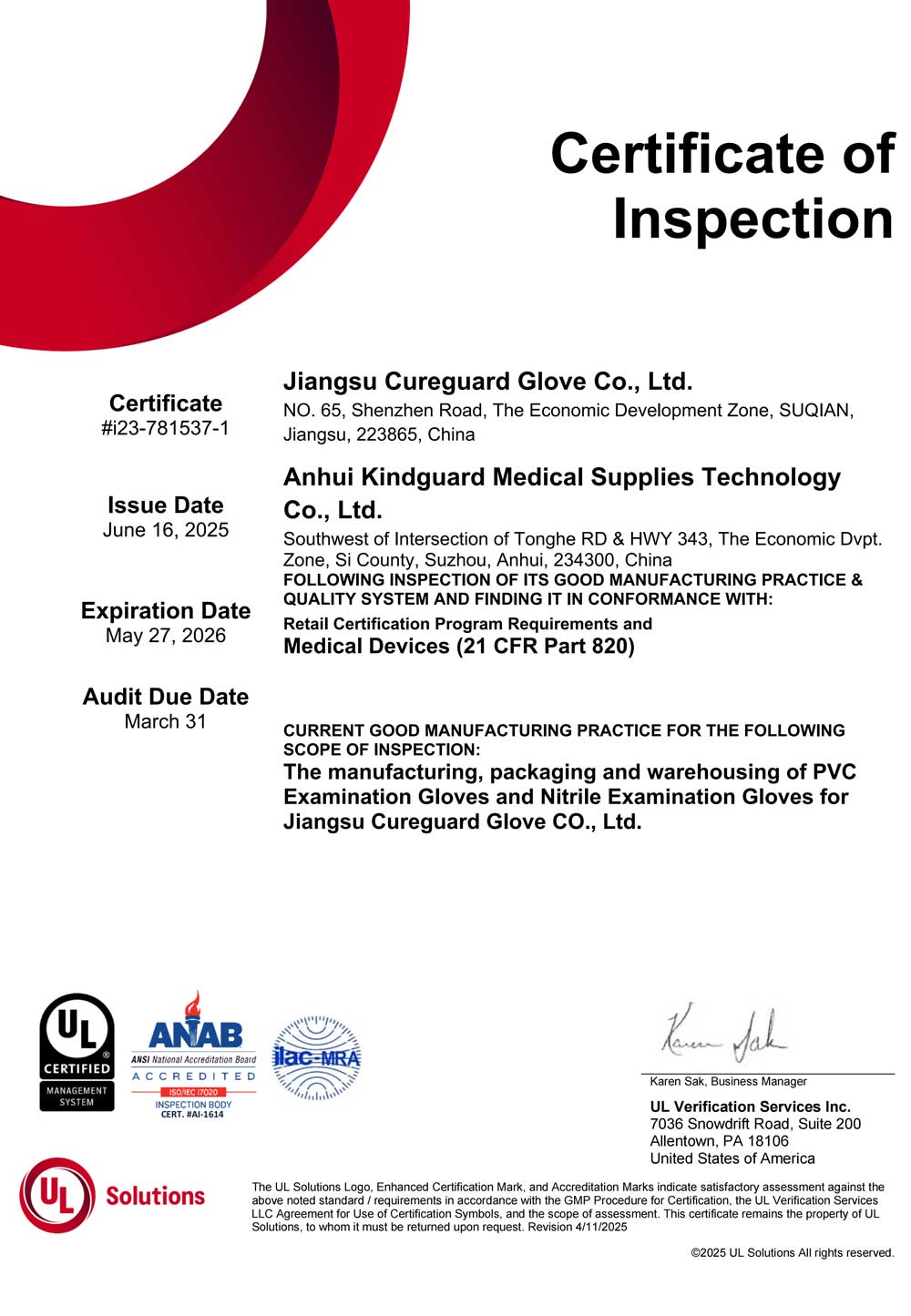
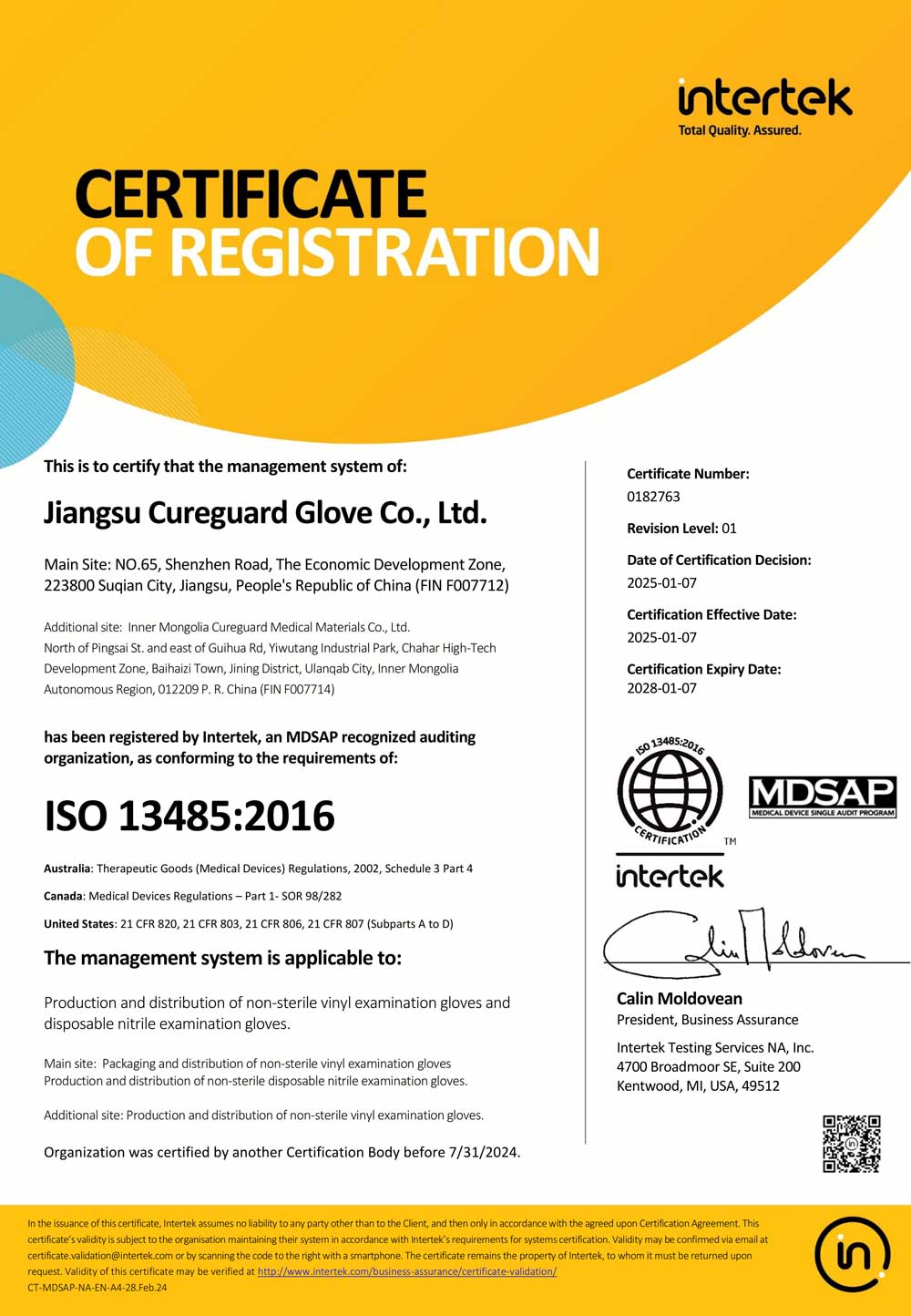
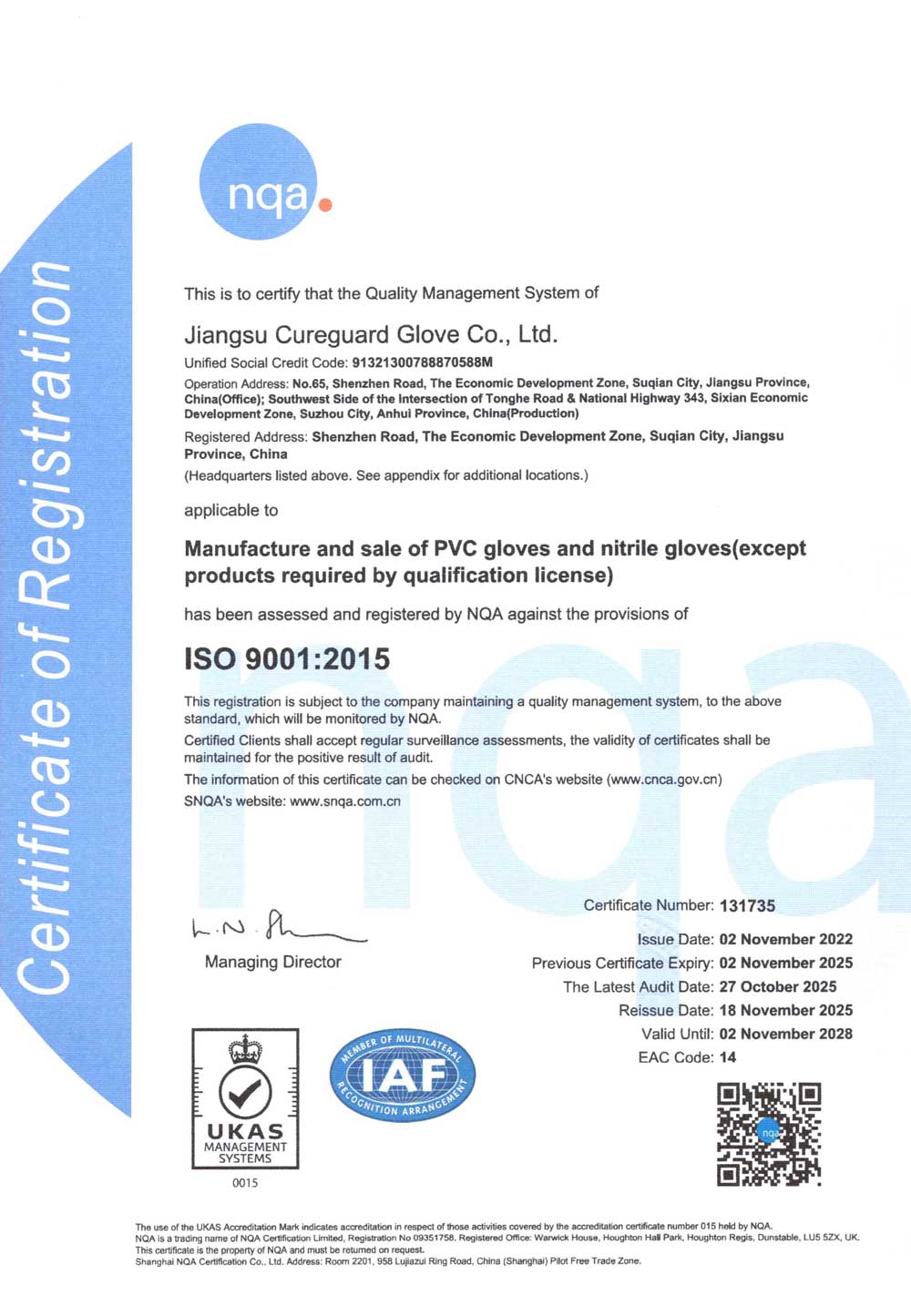
Established in 2006 and headquartered in Jiangsu Province, China, Cureguard Glove Group is specialized in glove manufacturing for over 20 years. We own over 60 production lines dedicated to disposable vinyl and nitrile gloves, and reusable vinyl gloves with an annual output exceeding 10 billion pieces. We supply various kinds of gloves to customers in more than 100 countries and regions worldwide.
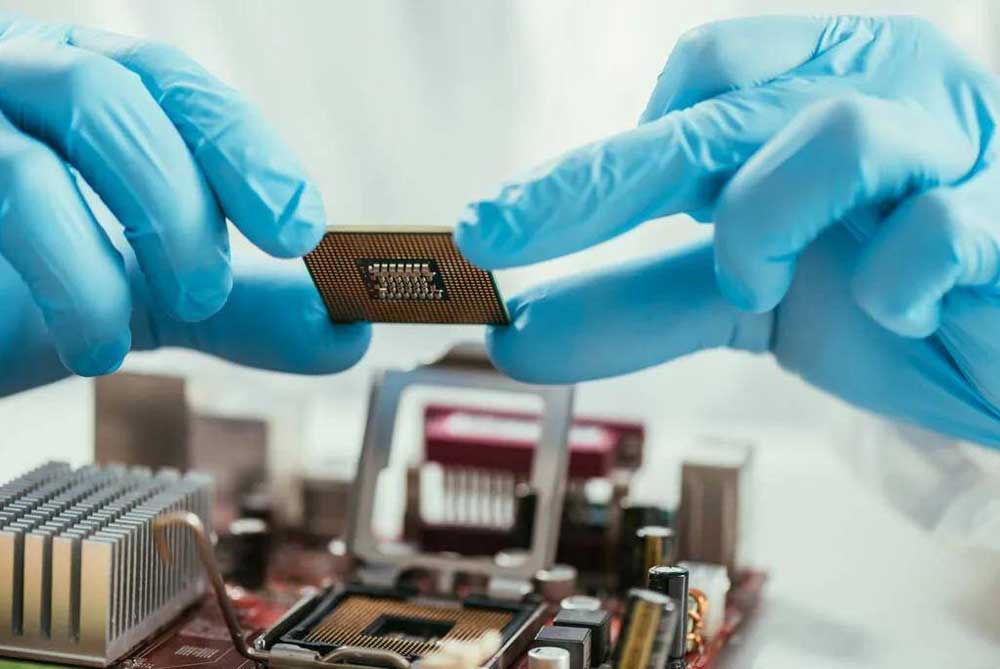
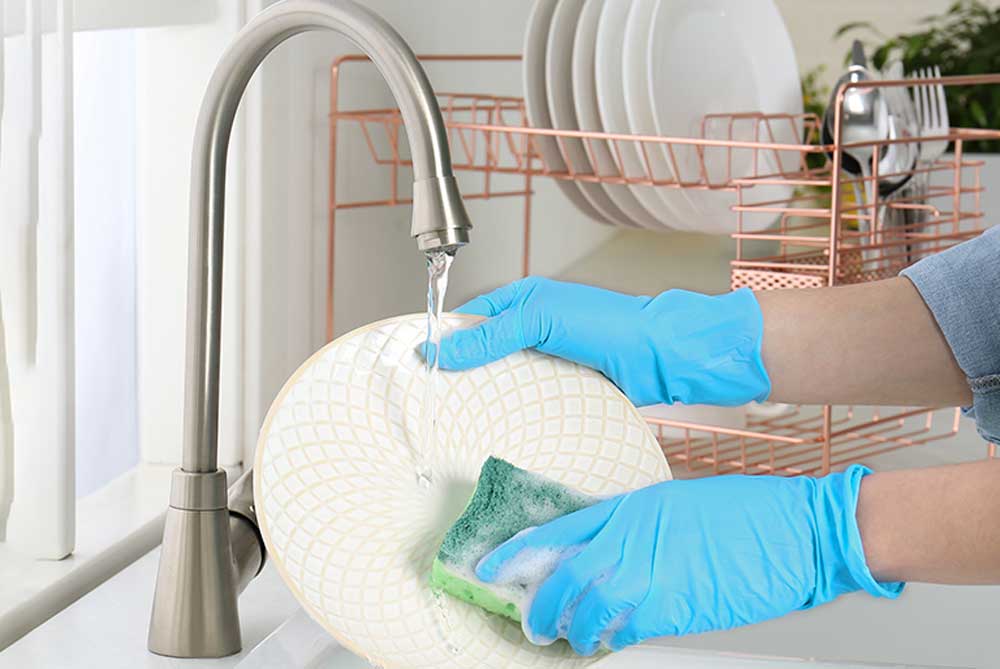
We roll out different series of products to address various routine scenario needs, such as medical examination, food contact, electronic industry, and household use, ensuring the highest standards of safety and reliability for emergency responders and daily users alike.


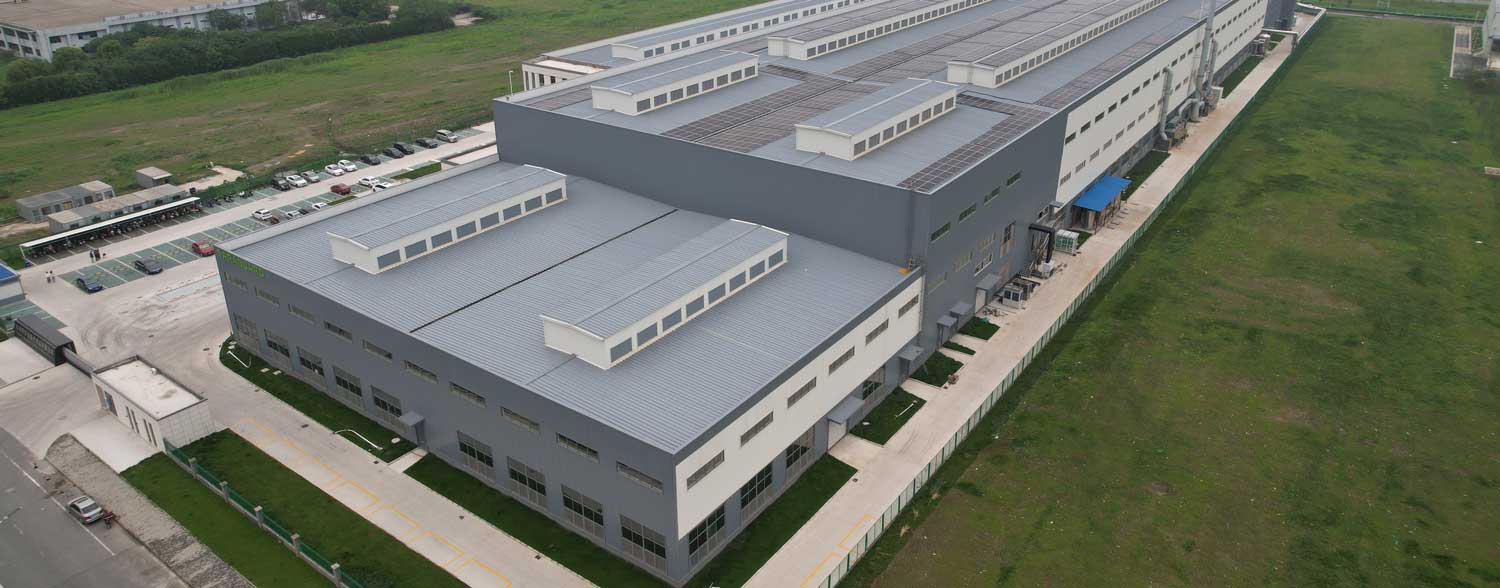
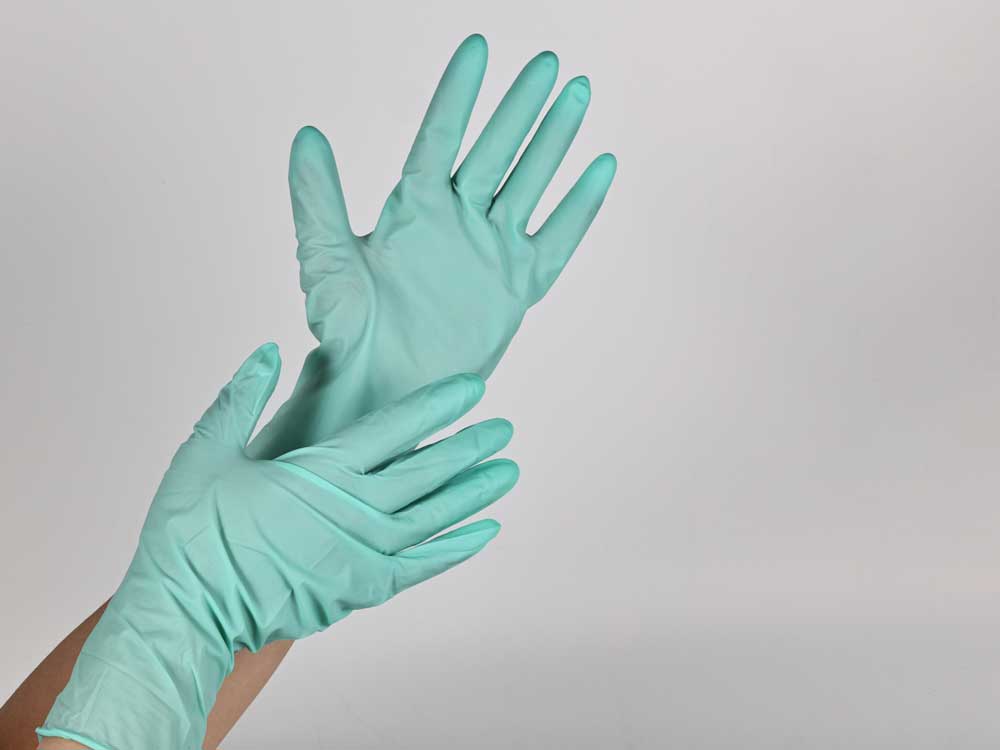
Our commitment to providing the ultimate Nitrile Rubber Glove For Emergency First Aid And Response is backed by stringent global certifications.
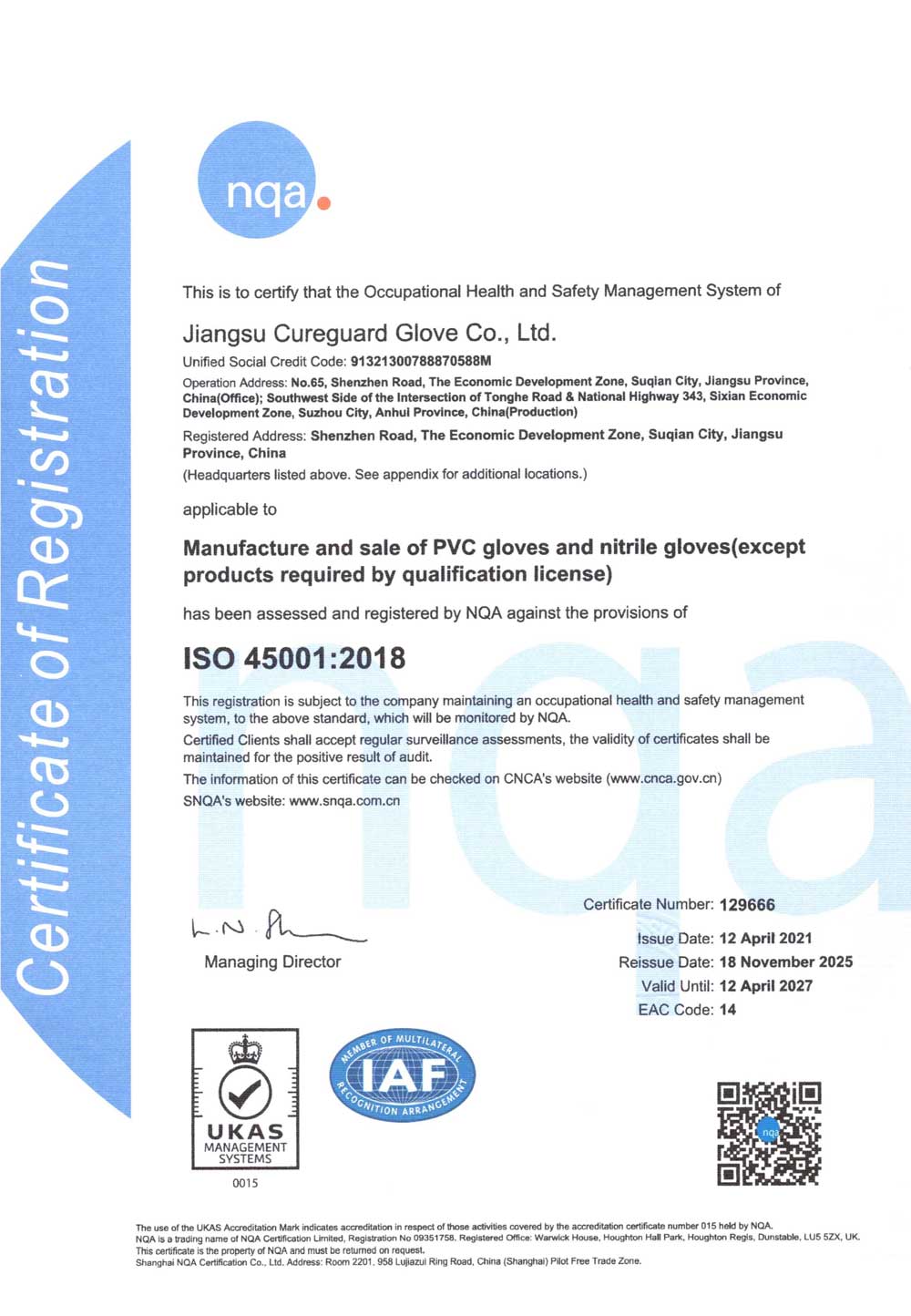
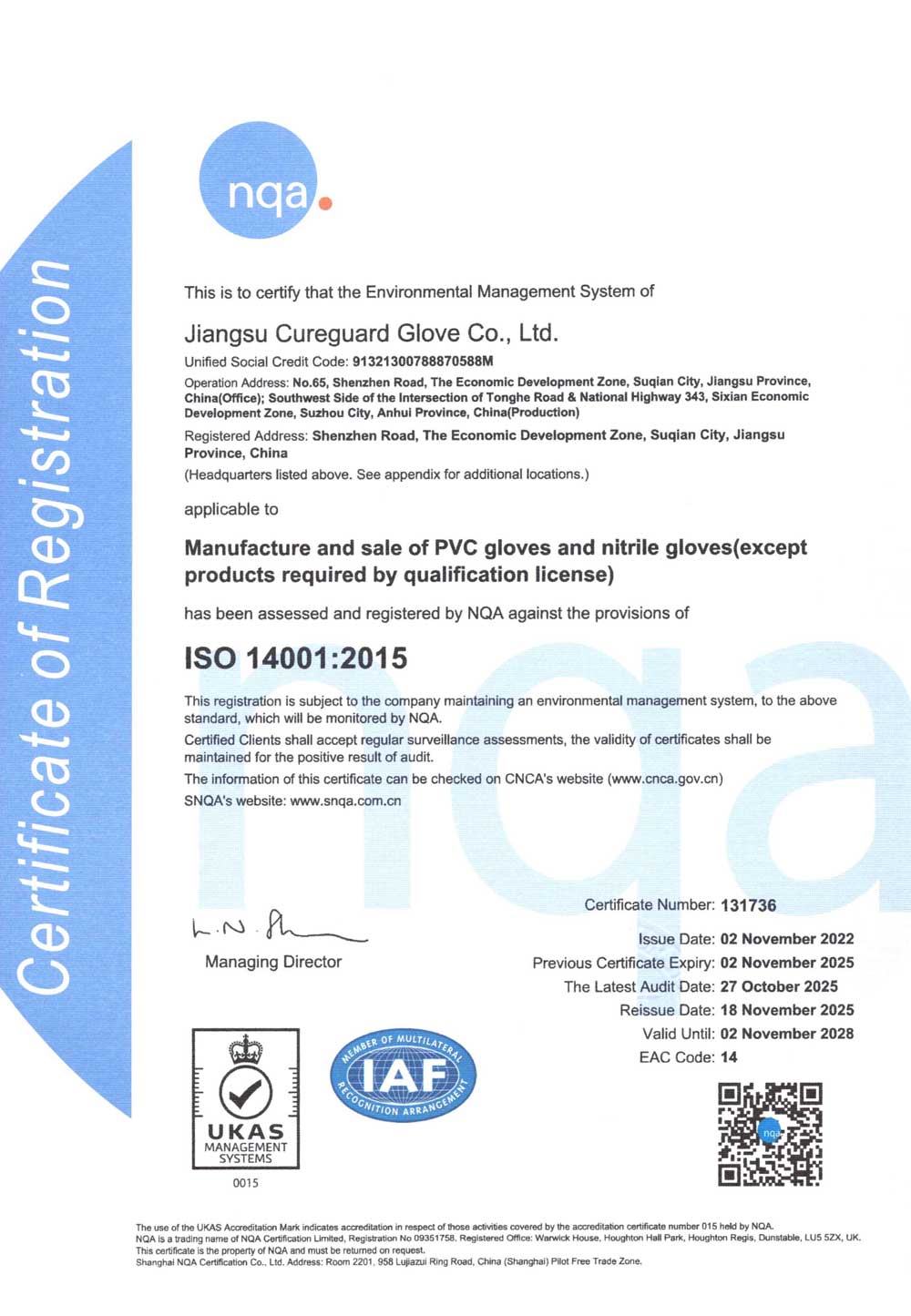
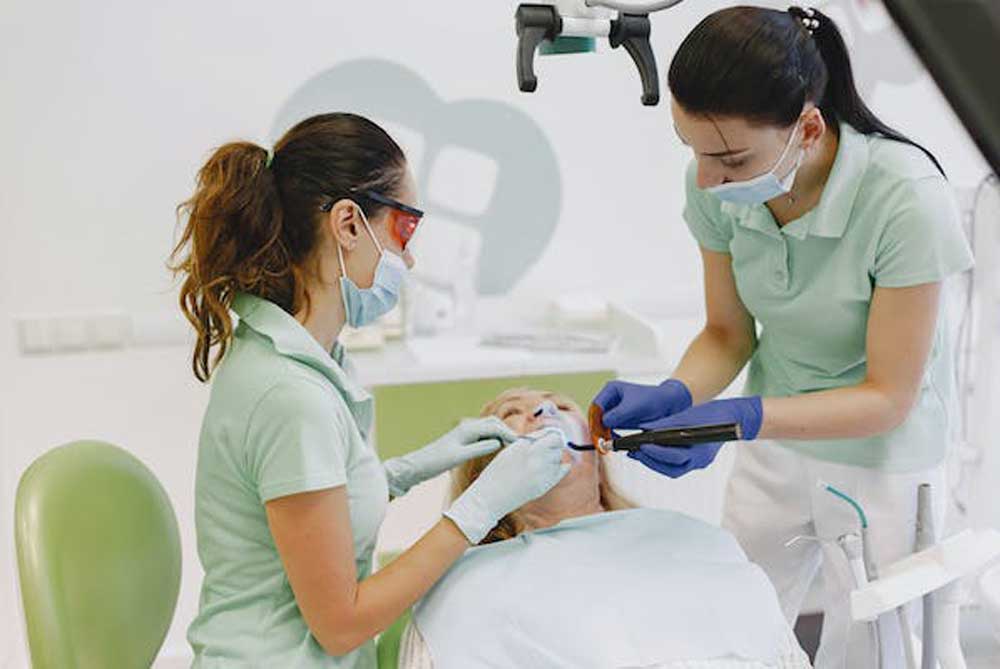
Medical staff wear nitrile gloves during surgery to prevent bacterial cross-infection. In the strict environment of an operating room...
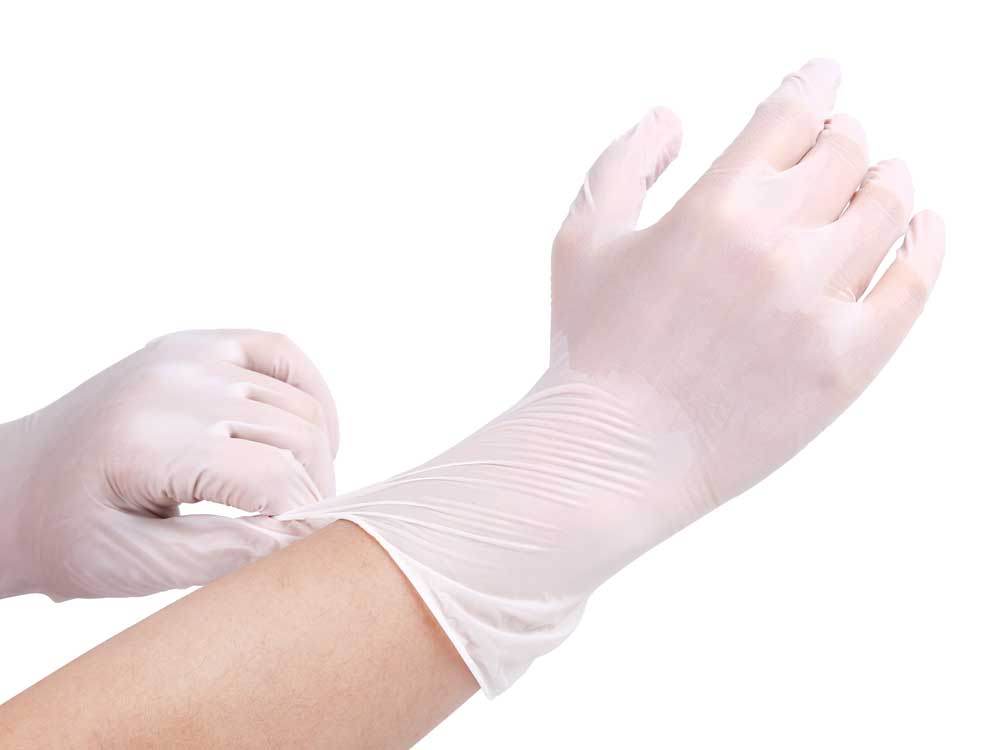
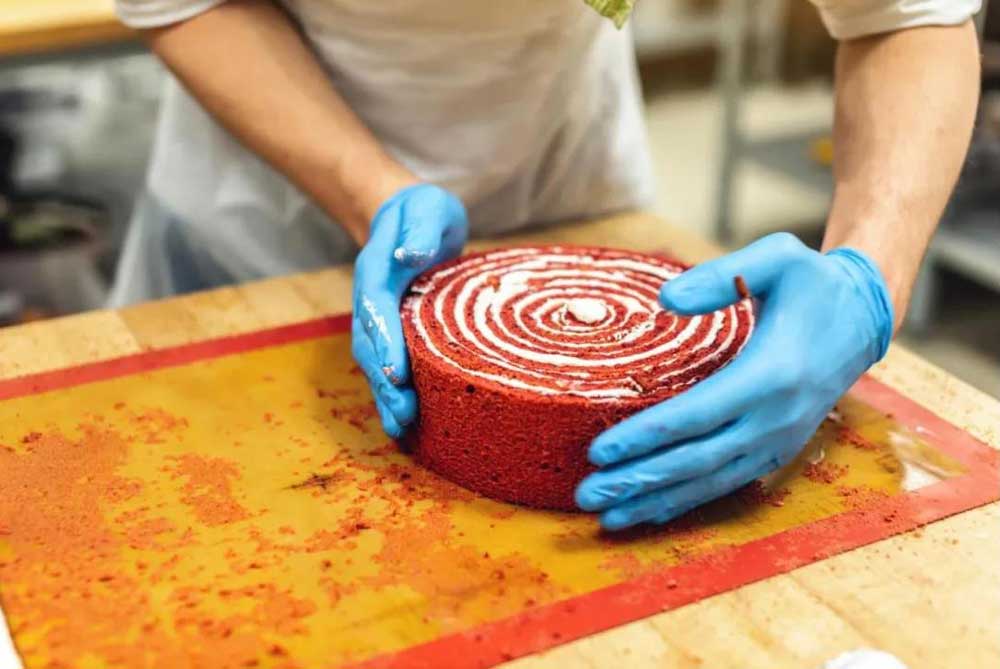
In the field of food processing, hand contact is one of the primary risk points for cross-contamination. Maintaining extreme hygiene is vital...
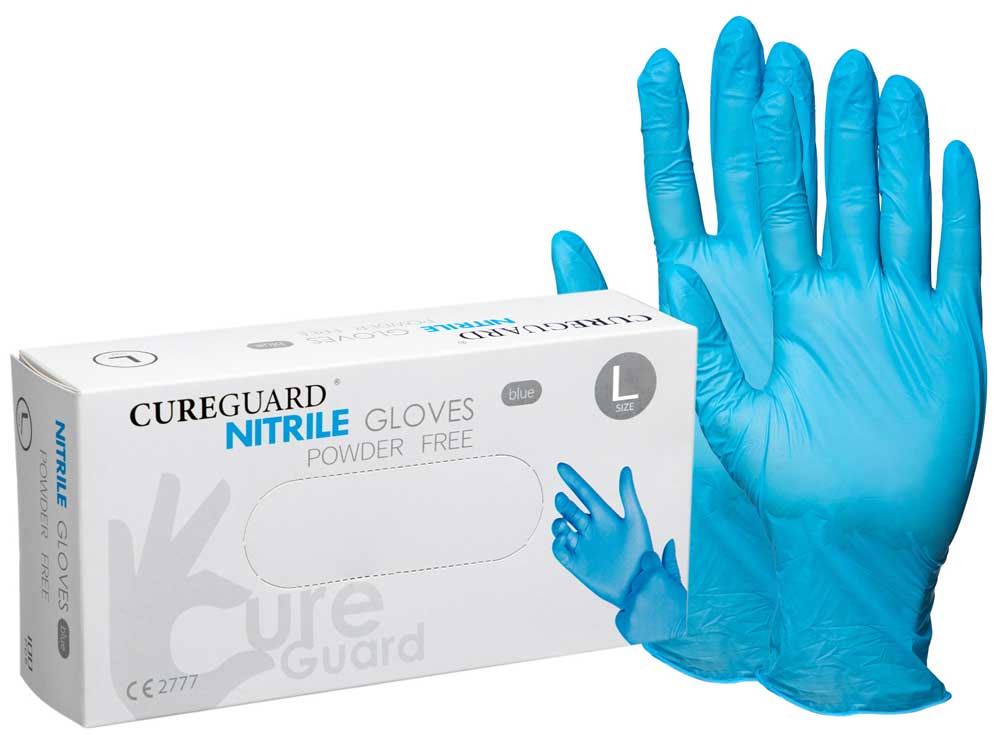
With the growing awareness of safety protection, the demand for protective equipment is showing a massive upward trend across industries...